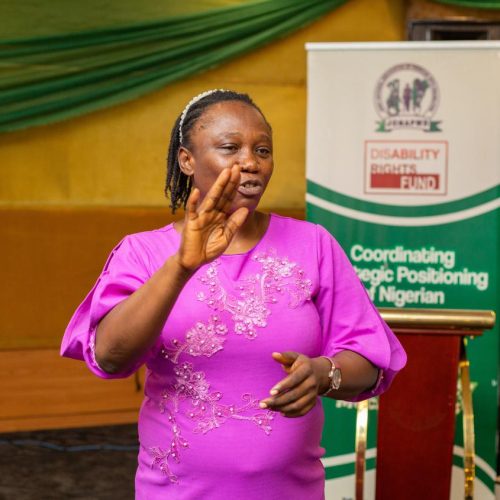
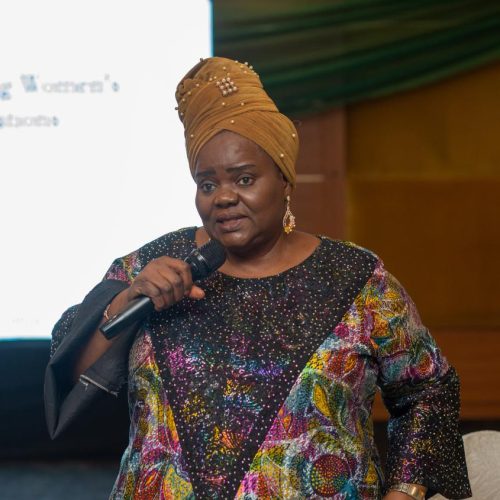
Advancing leadership, rights, and inclusion for women with disabilities.
With the support of donor organizations, including the Disability Rights Fund (DRF), the women’s wing of JONAPWD has executed several projects aimed at strengthening the capacity of women with disabilities and advancing their leadership development.
A Sneak Peek of Our Work.
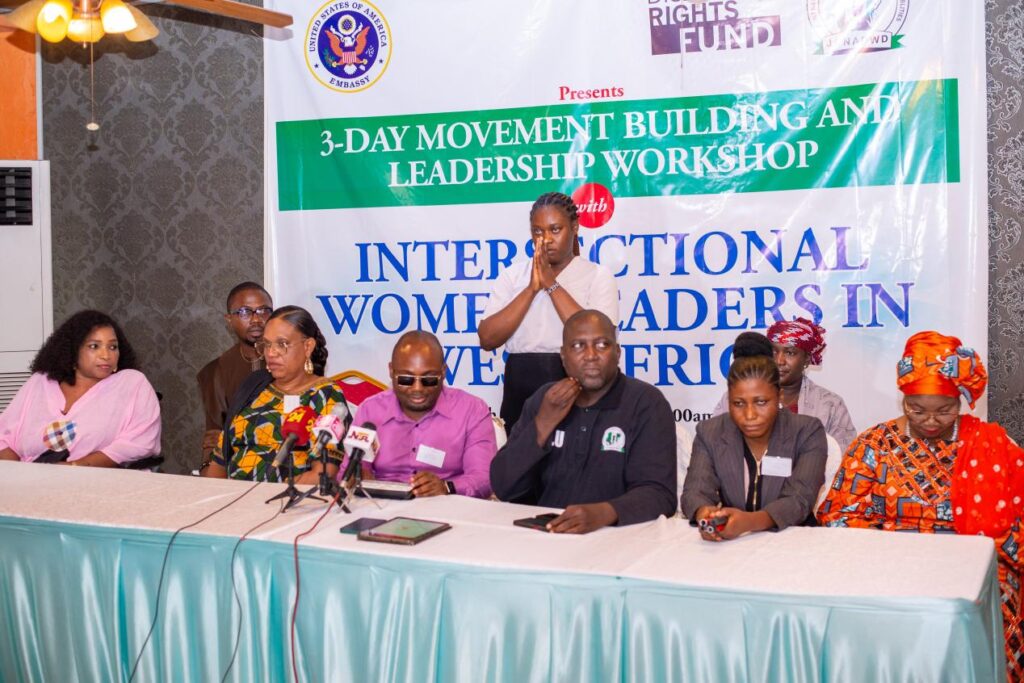
Through sustained advocacy, leadership development, research, and cross-movement collaboration, we are amplifying the voices of women with disabilities and ensuring disability inclusion.
Holding Rights, Leading for Right.
Advancing the leadership, rights, and inclusion of women with disabilities across West Africa.
The “Holding Rights, Leading for Rights” initiative strengthens the visibility, participation, and advocacy power of women with disabilities in Ghana, Nigeria, Senegal, and Togo. The project promotes inclusive governance, addresses Gender-Based violence, and supports cross-movement collaboration in line with the CRPD and global gender equality goals.
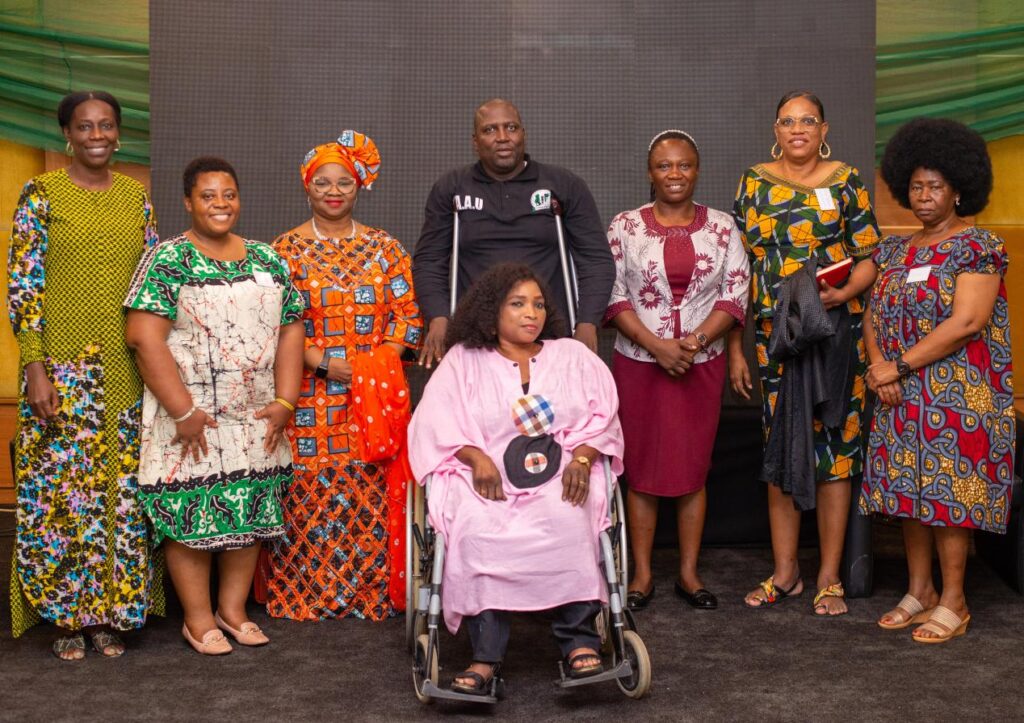
Our Key Projects & Achievements.
West Africa Women with Disabilities Leadership Initiative.
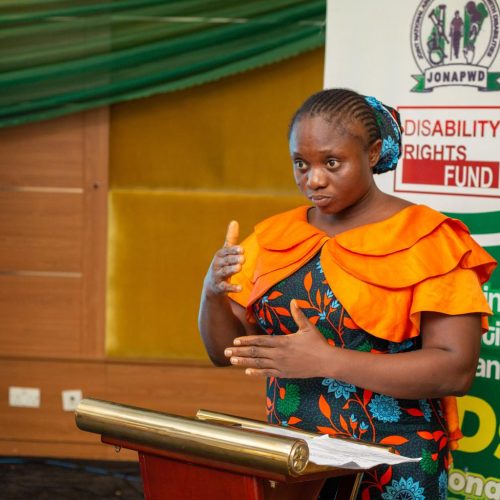
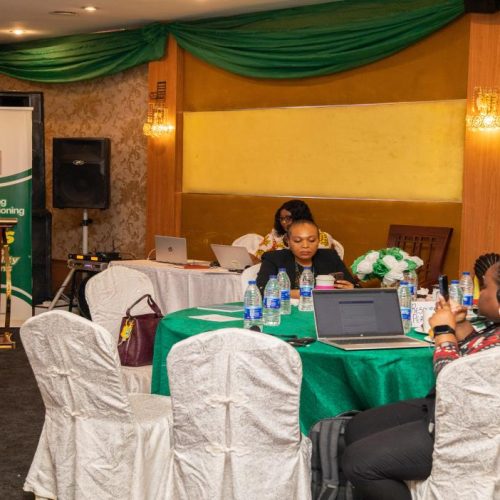
This initiative convened women with disabilities from four countries (Ghana, Togo, Senegal, and Nigeria), facilitating capacity-building and regional advocacy efforts while promoting the disability inclusion agenda..
Hybrid Summit on Disability Inclusion in the Women’s Movement.
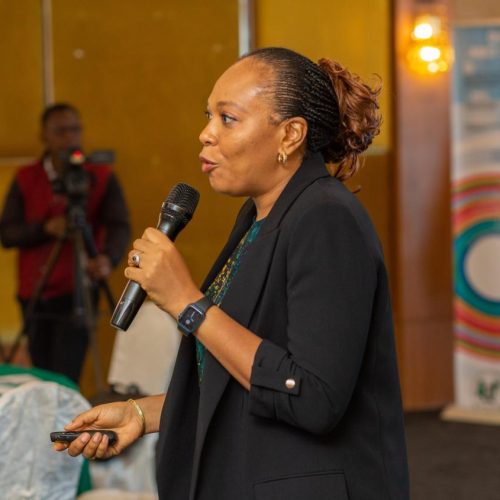
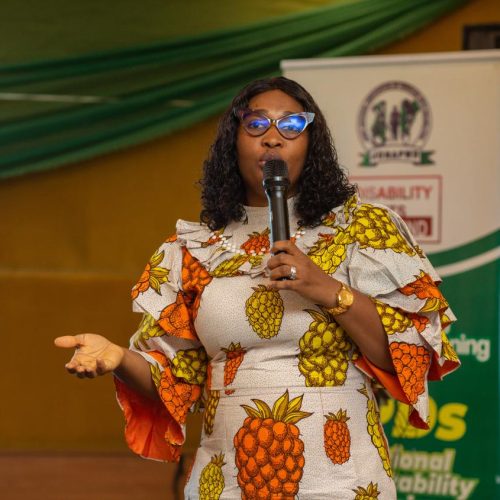
This summit provided a platform for women activists, both with and without disabilities, to discuss and formulate an action plan aimed at enhancing the visibility and inclusion of women with disabilities within society.
National Research on Gender-Based Violence Against Women and Girls with Disabilities.
This research leveraged the strengths and structures of the JONAPWD women’s wing across all 36 states and the FCT, employing young women leaders as research assistants and enumerators.
Improving Access to GBV Referral Pathways Project (CFLI-Funded).
This initiative aims to eliminate barriers to accessing referral services and justice systems, enhance public awareness to reshape societal attitudes regarding women and girls with disabilities and gender-based violence, and establish a collaborative mechanism to effectively include women and girls with disabilities in discussions about GBV.
Regional & National Advocacy.
Women leaders across the four countries led strategic advocacy to influence
laws, policies, and social attitudes affecting women with disabilities.